

What causes ovarian cysts and when is surgery needed?
Ovarian cysts are common and often harmless, but they can sometimes cause discomfort or signal a more serious health issue. Knowing what causes ovarian cysts and when surgery might be necessary can help you make informed decisions about your health. This article explains the main causes of ovarian cysts, symptoms to watch for, and the situations where surgery becomes the best option.
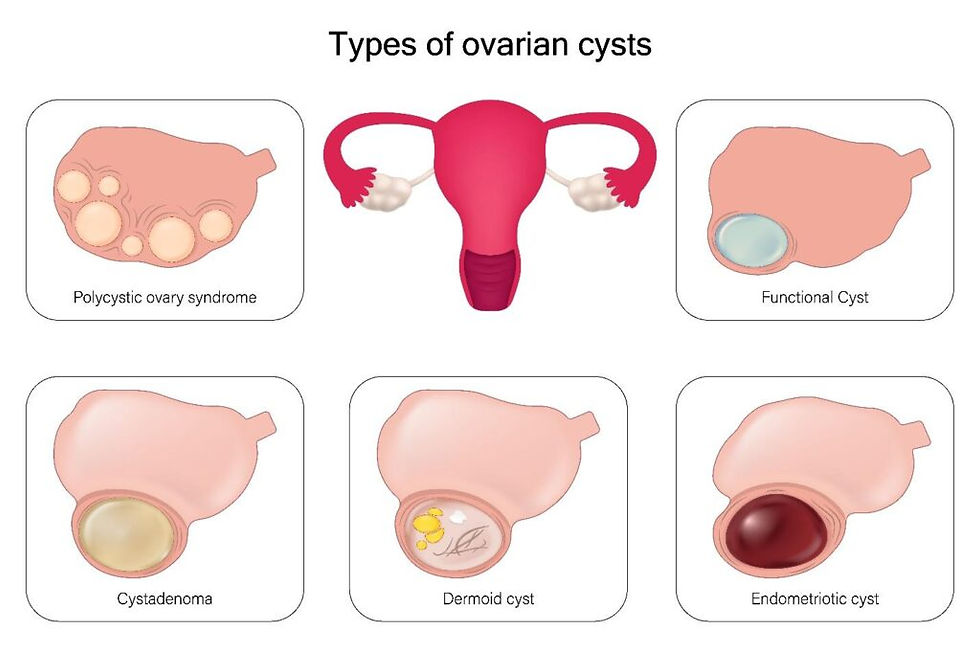
What Are Ovarian Cysts?
Ovarian cysts are fluid-filled sacs that develop on or inside an ovary. Most cysts are benign and form as part of the normal menstrual cycle. They often disappear without treatment within a few weeks or months. However, some cysts can grow larger, cause pain, or lead to complications.
Common Causes of Ovarian Cysts
Understanding what causes ovarian cysts helps clarify why they form and how they behave. Here are the most frequent causes:
Functional Cysts
These cysts develop during the menstrual cycle and are the most common type. They include:
Follicular cysts: When a follicle fails to release an egg, it can continue growing and form a cyst.
Corpus luteum cysts: After releasing an egg, the follicle usually shrinks, but sometimes it seals off and fills with fluid.
Functional cysts usually resolve on their own without treatment.
Endometriomas
These cysts form when endometrial tissue, which normally lines the uterus, grows on the ovaries. This condition is linked to endometriosis and can cause painful periods and fertility issues.
Dermoid Cysts
Also called mature cystic teratomas, dermoid cysts contain different types of tissue such as hair, skin, or teeth. They develop from cells present from birth and can grow slowly over time.
Cystadenomas
These cysts develop from ovarian tissue and can be filled with a watery or mucous substance. They can become quite large but are usually benign.
Polycystic Ovary Syndrome (PCOS)
PCOS is a hormonal disorder where many small cysts form on the ovaries. It causes irregular periods, weight gain, and fertility problems.
Symptoms That May Indicate an Ovarian Cyst
Many ovarian cysts cause no symptoms and are found during routine exams. When symptoms appear, they may include:
Pelvic pain or pressure, often on one side
Bloating or swelling in the abdomen
Pain during intercourse or bowel movements
Irregular menstrual cycles or spotting
Frequent urination or difficulty emptying the bladder
Sudden, severe abdominal pain, fever, or vomiting may signal a ruptured cyst or ovarian torsion, which require immediate medical attention.
When Is Surgery Needed for Ovarian Cysts?
Most ovarian cysts do not require surgery and resolve on their own. Surgery becomes necessary in certain situations:
Large or Persistent Cysts
Cysts larger than 5 to 10 centimeters or those that do not shrink over time may need removal, especially if they cause symptoms.
Suspicion of Cancer
If imaging tests or blood markers suggest the cyst could be malignant, surgery is recommended to remove and test the cyst.
Complications
Surgery is urgent if a cyst ruptures or causes ovarian torsion, which cuts off blood supply to the ovary.
Symptoms Affecting Quality of Life
Cysts causing severe pain, heavy bleeding, or fertility problems may require surgical treatment.
Types of Surgery for Ovarian Cysts
The surgical approach depends on the cyst type, size, and patient’s health:
Laparoscopy: A minimally invasive surgery using small incisions and a camera. It is preferred for most cyst removals.
Laparotomy: A larger incision surgery used for very large cysts or suspected cancer.
Oophorectomy: Removal of the entire ovary, sometimes necessary if the cyst damages the ovary or cancer is present.
Cystectomy: Removal of the cyst only, preserving the ovary.
What to Expect After Surgery
Recovery varies by surgery type. Laparoscopy usually allows a quicker return to normal activities within a few weeks. Open surgery requires longer healing time. Your doctor will provide specific instructions on activity, pain management, and follow-up care.
Preventing Ovarian Cysts and When to See a Doctor
While you cannot always prevent ovarian cysts, regular pelvic exams can detect cysts early. Birth control pills may reduce the risk of functional cysts by regulating ovulation. See a healthcare provider if you experience:
Persistent pelvic pain or pressure
Sudden severe abdominal pain
Changes in menstrual cycle
Unexplained bloating or swelling
Early diagnosis helps avoid complications and guides appropriate treatment.
Have been recently diagnosed with Ovarian cyst and are confused whar ri do next?
Contact Dr. Amrita Kesari - Advanced Minimally Invasive Gynaec Surgeon & Endometriosis Specialist and Laparoscopic Surgeon
Navi mumbai
Seawoods, Nerul, Ulwe, Vashi
call +91 93726 28536

Comments